
The 33% Rule: Why the Government Requires You to Engage Your Community
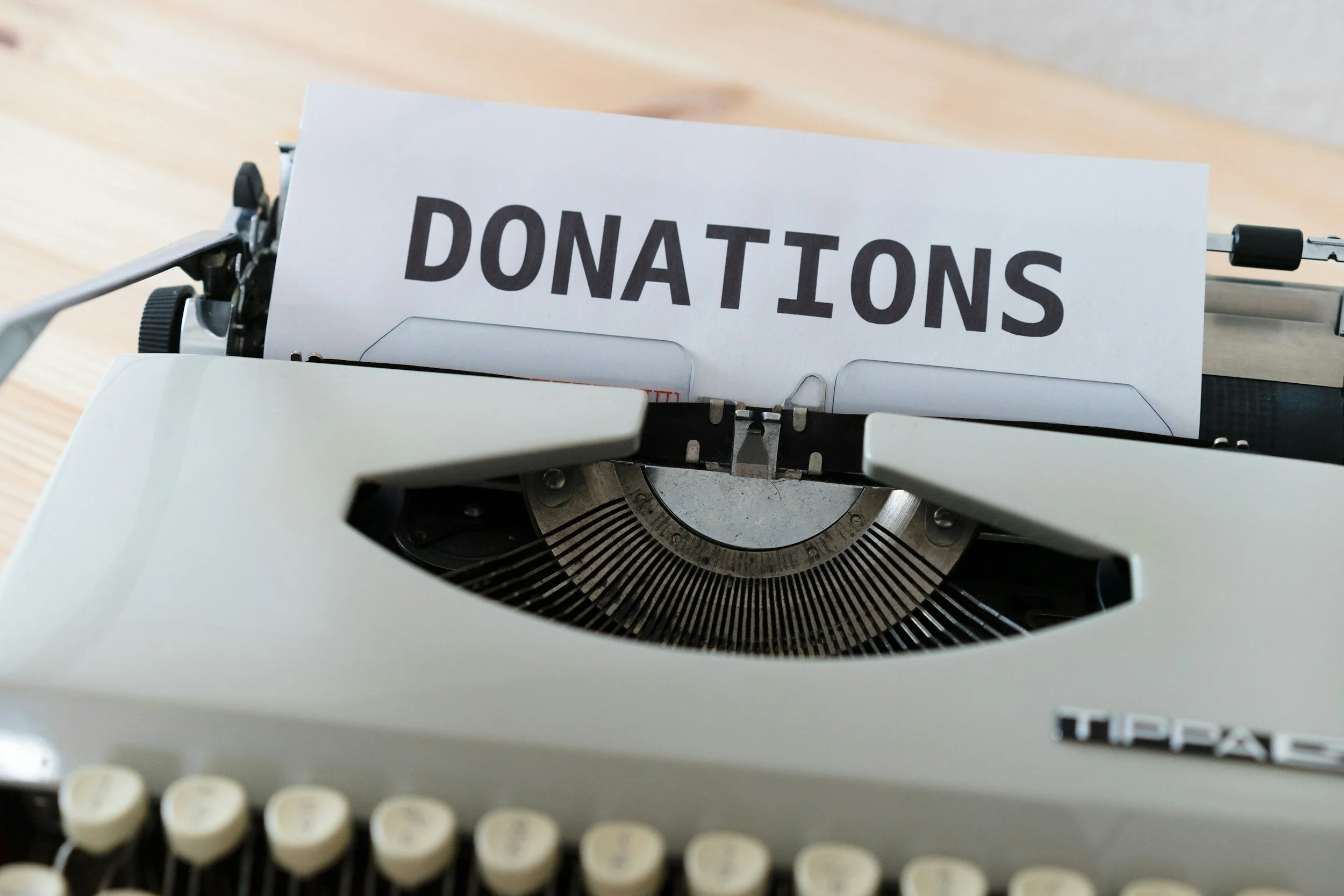
A lot of new nonprofit leaders assume they can run their organization entirely on grants. It makes sense. Grants feel like the "real" funding, the big wins. But here's something that surprises almost every organization I work with: the federal government actually requires you to engage and solicit donors. It's not just a best practice. It's a rule.
What the Public Support Test Actually Is
The IRS requires that public charities receive at least 33% of their total funding from public support, meaning direct donations from a broad base of smaller donors, not solely grants or major funders. This is called the public support test, and it exists to ensure that the community at large has ongoing buy-in in your work.
If your organization relies almost entirely on grants and large funders, you may not meet that threshold. And failing the public support test puts your 501(c)(3) status at risk.
Why This Matters Beyond the IRS
The compliance piece is real, but the bigger issue is what happens to your organization when grants dry up, and they do. Organizations that lean too hard on grants and large funders can gain a reputation for not being connected to their community. When the funding disappears, they don't have the community relationships needed to maintain it.
There's also the funder relationship to consider. Large donors want to be a part of something. Broad community support signals that your work is legitimate, that people believe in it. When you can show that, you become more attractive to major funders.
Your Community Wants to Be Involved
This is the part that often gets missed. There is such an emphasis on large donors and grants in the nonprofit sector that low-income people, often the very people organizations serve, feel barred out of the philanthropy conversation entirely.
That's a problem. People want to pay it forward. If your organization is building genuine, supportive relationships with the people you serve, but you only court large donors, you are blocking out your best ambassadors. They don't feel included. And an organization that excludes the community it serves from participating in its own sustainability is not truly integrated into that community.
Small donors make people feel involved. That involvement creates deep ties — to the people you serve, to the neighborhood you're in, to the broader community you're trying to change.
Start Now, Even If It's Small
Startup nonprofits don't always face immediate consequences for ignoring this; but the time to build good fiscal practices is early, before you need them. Start recruiting donations now with a strong individual donor strategy. That strategy will grow with you as your donor pool expands. You don't need a development department. You need a plan and the discipline to work it.
Community integration isn't just a values statement. It's a financial strategy.
IncuBrighter works with startup nonprofit leaders to build the foundational practices that sustain organizations long-term. If you're not sure where to start, reach out at Leah@IncuBrighter.org.
