
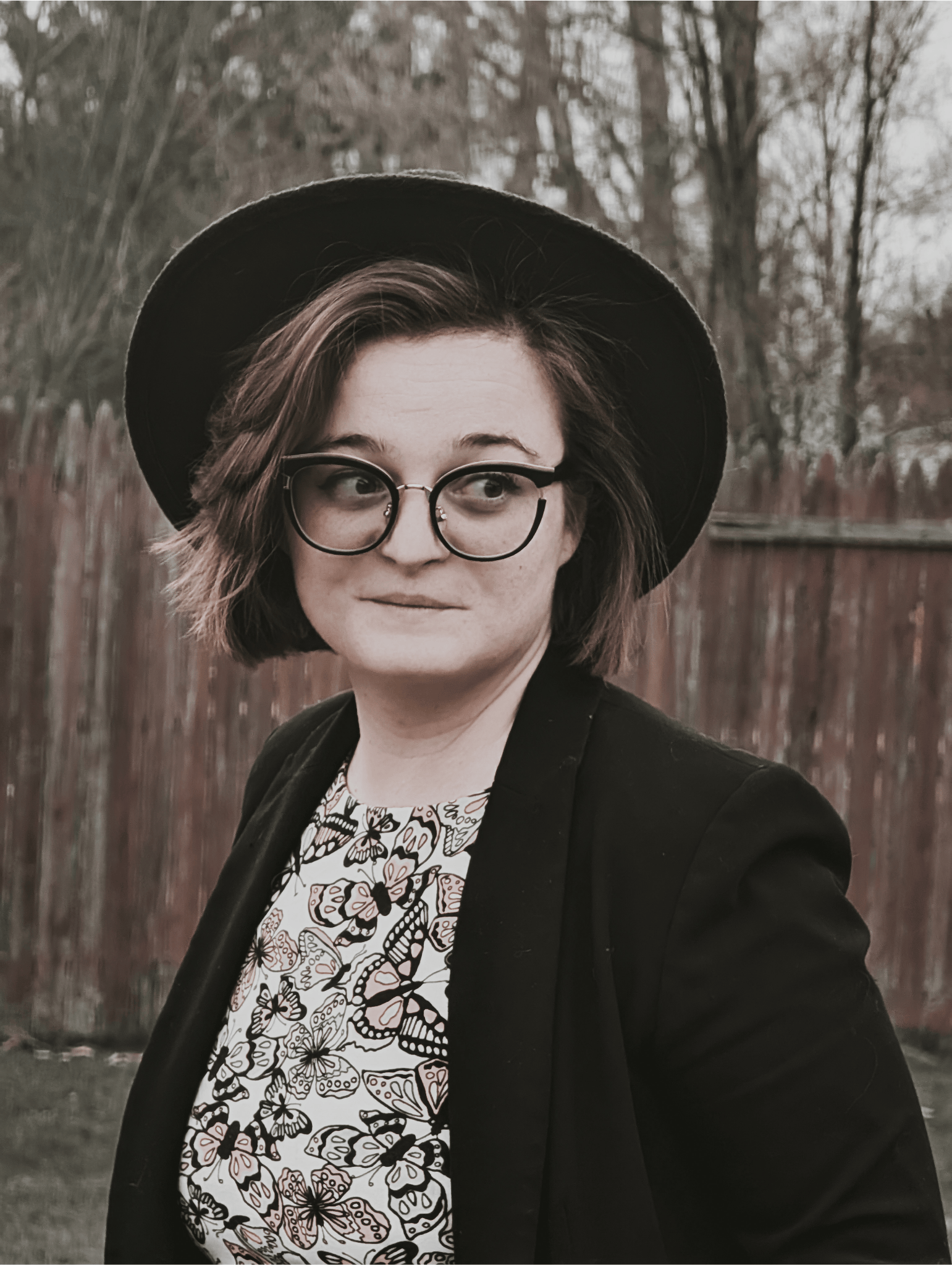
Leah Buzek
Founder, Executive Director
Relentlessly Strategic. Genuinely Human.
Leah Buzek, BIS, CFPS builds the infrastructure to prove that communities are the best at solving the problems they face. As Founder and Executive Director of IncuBrighter, she created a civic R&D program rooted in a radical premise: that the people closest to the problem are the ones best equipped to solve it. Based in Stark County, Ohio, IncuBrighter operates on a deliberate investment in grassroots leaders who are ready to build something lasting.
Leah's approach to systems change is grounded in two proprietary frameworks she developed from the ground up.
TRACEs — Trauma and Relational Adversity in Caregiver Environments — is a caregiver trauma assessment tool designed to surface what traditional systems routinely overlook.
EPIC — is a four-stage framework for authentically integrating lived experience into the organizations and institutions that claim to serve those communities.
In her history as a Family Peer Supporter, Leah brought (and still brings) her lived-experience as a caregiver of a multi-systems youth to the people that she served; and used that experience to create the TRACEs Tool Set. As an AmeriCorps VISTA alumna and former leader of the Survivor Voices Council with the Ohio Domestic Violence Network, she brings the same lived-experience philosophy to statewide advocacy. She holds a Bachelors in Integrated Studies from Ohio University (2026), and is currently a Master’s Student of Public Service at the Clinton School of Public Service. Leah was also a part of the Stark Leadership Spotlight program for Spring 2026 and a participant in the University of Stanford’s Design for Social Impact
Leah Buzek is the kind of builder who shows up before the blueprint exists — and doesn't leave until the community can carry it forward without her.

real stories,
delivered with impact
Thoughtfully crafted speeches and trainings to elevate what matters most.
Driven by curiosity and built on purpose, this is where bold thinking meets thoughtful execution. Let’s create something meaningful together.
What We Miss When We Don't Ask: Assessing Caregiver Trauma in Human Services Settings
leah’s speaking topics
Caregivers are often the linchpin of human services systems — and the most consistently overlooked. This talk examines the systemic blind spots that allow caregiver trauma to go unidentified, unnamed, and unaddressed in the very settings designed to support vulnerable populations. Attendees will leave with a clearer understanding of what meaningful caregiver assessment looks like, why standard intake and screening processes so often fall short, and what it costs — in human and organizational terms — when we don't ask the right questions.
TRACEs in Practice: A Framework for Identifying and Responding to Caregiver
TRACEs — Trauma and Relational Adversity in Caregiver Environments — was built because existing tools weren't asking the right questions of the right people. This session walks through the development and real-world application of the TRACEs framework, including pilot implementation. Practitioners, program directors, and systems leaders will gain concrete insight into how TRACEs can be integrated into existing workflows to improve caregiver assessment, strengthen service delivery, and build more trauma-responsive organizations.
What Small Nonprofits Get Right (And What Larger Organizations Should Learn from Them)
Smaller nonprofits are often dismissed as under-resourced or under-developed — but many of them are quietly doing the most sophisticated relational work in the sector. This talk makes the case for taking grassroots organizational wisdom seriously, drawing on Leah's experience working across both emerging and established nonprofits. From community trust-building to adaptive decision-making, attendees will walk away with a reframed understanding of capacity — and practical lessons that translate across budget sizes.
The Ethics of Helping: Care Without Dependency
Helping feels good. But good intentions don't guarantee good outcomes — and some of the most well-resourced helping systems in the country are quietly undermining the people they were built to serve. This talk examines the ethical tension at the heart of care work: when does support become a substitute for self-determination? Leah challenges audiences to interrogate their own organizational models and asks a harder question than most funders and service providers are used to hearing: not are we helping, but are we helping people need us less?
Applied Social Design as Practice: Building Systems That Actually Fit the People Inside Them
Most social systems are designed by people who will never use them — and it shows. Applied social design flips that model, treating the people closest to a problem as essential architects of its solution. This session introduces social design as a practical discipline, not just an academic framework, and explores what it looks like to embed design thinking into community organizations, nonprofit infrastructure, and policy work.
Steady in the Uncertainty: Helping Nonprofits Navigate Federal Funding Instability
Federal funding has never been a sure thing — but the current landscape has raised the stakes for organizations that built their entire operating model around it. This talk is for nonprofit leaders, board members, and funders who need more than reassurance — they need a framework. Drawing on direct experience navigating federal program uncertainty at the organizational level, Leah offers practical strategies for diversifying revenue, building operational resilience, and having honest conversations with staff and stakeholders when the ground shifts. Because sustainability isn't just a budget question. It's a leadership one.
need a speaker? Let’s Chat!
Leah speaks at the intersection of systems change, community power, and the ethics of care. Whether she's on a conference stage or in a workshop room, she brings the same thing: real frameworks, hard-won perspective, and a refusal to make complex problems sound simpler than they are.